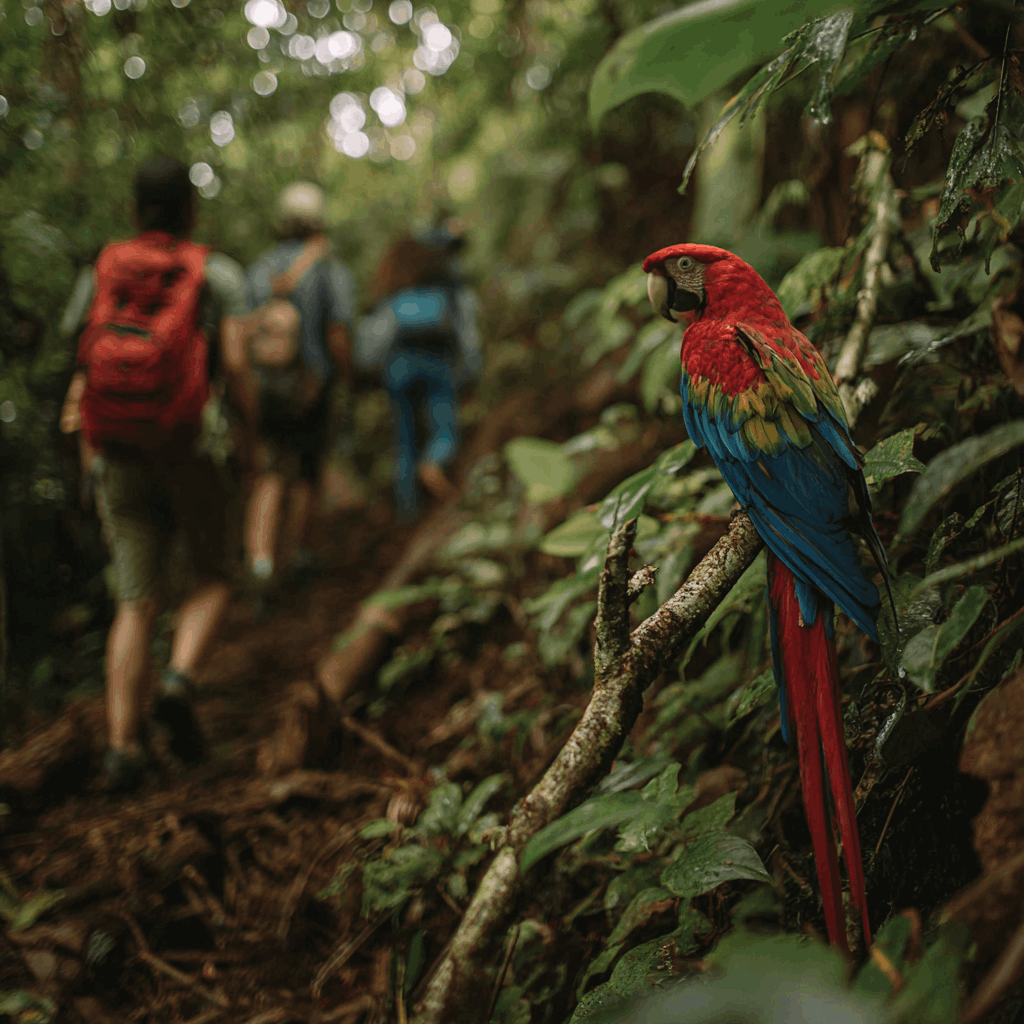
First things first, when to go matters a ton here. The Amazon doesn't really have a true dry season, but the low water period from June to November makes trekking easier, trails are drier, and animals tend to gather around shrinking rivers and lakes for water, so spotting gets better. Wildlife crowds around those water sources, think monkeys, birds, even caimans. But if you want that flooded forest vibe, high water from December to May lets you paddle deeper into igapós (flooded areas), and animals sometimes come lower in the canopy to avoid the wet, though trails can be muddy and buggy. Since we're in early 2026 now, aim for mid-year if you want solid hiking without constant rain, but honestly, any time works if you're flexible, the jungle's always full of surprises.
A solid 4-5 day itinerary is perfect for immersion without rushing. Start with a flight to Manaus, spend a night there if you want to see the opera house or the Meeting of the Waters, where the black Negro and sandy Solimões rivers run side by side without mixing, super cool sight. Then transfer by boat (usually 2-4 hours) to your eco-lodge. Pick sustainable ones, like those using solar power, recycling, and working with local communities, they keep the impact low and support conservation.
Day one usually settles you in, check into the lodge, maybe a short intro walk around the grounds to spot some basic birds or howler monkeys calling in the distance. Dinner's often fresh local fish or regional dishes, and you crash listening to the night chorus, frogs, insects, maybe distant monkeys.
Next days are where the real treks happen. Guided jungle hikes, led by expert naturalist or indigenous guides who know every plant and animal track. You'll learn about medicinal plants, how locals use them, spot squirrel monkeys or capuchins leaping branch to branch, toucans or macaws in the canopy, maybe even sloths if you're lucky and patient. Trails vary, some short loops, others longer 3-5 hour ones into primary forest, with stops to explain the ecosystem. Guides point out tiny poison dart frogs, massive trees, and hidden orchids. It's hot and humid, so take it slow, drink water, wear good boots.
River stuff is a big part too. Motorized canoe or kayak trips on tributaries or blackwater lakes to see pink river dolphins (those boto, they really are pinkish), grey ones too, they play around the boats sometimes. No touching or feeding though, keep it wild and respectful. Birdwatching from the water is amazing, herons, kingfishers, maybe a hoatzin with its weird crest. Piranha fishing is fun for some, catch and release mostly, adds to the adventure.
Night walks are the highlight for many. Head out after dinner with flashlights (or red ones to not scare animals), spot caimans eyes glowing red, tarantulas, night monkeys, owls, maybe a kinkajou or frog chorus. The jungle at night is intense, sounds everywhere, feels like stepping into another realm. Guides know how to keep it safe, no wandering off.
Sustainable lodges make this all possible without harming the place. They use local materials, limit groups, support nearby communities with jobs, and teach about conservation. Some have canopy towers for bird views without climbing trees, or platforms over the water. Food's often organic or local, and they focus on low-impact, so you leave with memories but the forest stays pristine.
Safety wise, listen to guides always, they spot dangers like snakes or ants. Bring insect repellent (lots), long sleeves, hat, binoculars for wildlife, waterproof bag for rain. Hydrate, the humidity drains you quick. And ethically, choose tours that avoid direct animal contact, no swimming with dolphins or holding sloths, keep distance for their sake.
This kind of trek in Brazil's Amazon is pure immersion, exotic wildlife up close, from monkey troops to dolphin pods, all while staying in eco-friendly spots and doing night walks that you'll talk about forever. It's not easy, but man, it's worth it. Nature here doesn't disappoint, just plan smart and go with the flow, the jungle has its own rhythm. Ready to pack those boots?