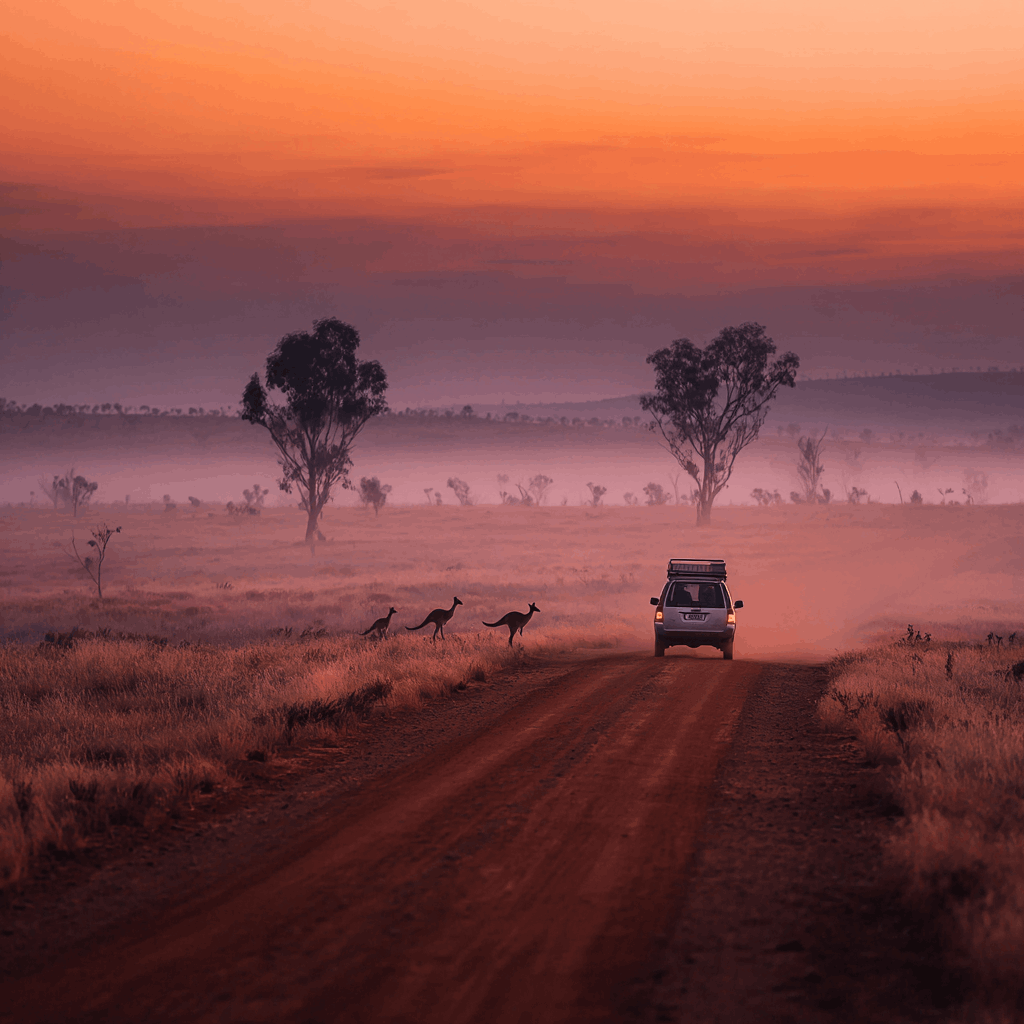
First, pick your region. The Red Centre around Uluru-Kata Tjuta National Park is iconic, but wildlife is spread out. For kangaroos, head to places like Watarrka (Kings Canyon), MacDonnell Ranges near Alice Springs, or further out to the Simpson Desert edges if you're adventurous. South Australia’s Flinders Ranges is another gem, rugged and full of roos and emus. Western Australia’s Pilbara or the Kimberley can work too, but the classic Outback feel is strongest in the Northern Territory and South Australia.
Self-drive is popular and flexible, rent a high-clearance 4WD (essential for unsealed roads), stock up on water, fuel, food, and a satellite phone or emergency beacon because signal drops fast. Roads like the Lasseter Highway to Uluru or the Stuart Highway north-south are sealed and easier, but side tracks to waterholes are dirt and can be rough. Guided tours are great if you want less hassle, experienced drivers know hidden spots, spot animals better, and handle breakdowns or floods. Many offer small groups, comfy seats, and guides who point out tracks, scat, and subtle signs.
Timing is crucial for wildlife. Dawn and dusk are prime, animals are active then, cooler temps, and light is soft golden, perfect for photos. In the heat of day, most things hide under bushes or in shade. Best seasons? Dry winter months from May to September, temps 15-28°C daytime, cold nights but clear skies and animals cluster around remaining waterholes. Summer (December-February) is brutal hot (40°C+), roads can close from rain, but after rains the desert greens up and wildlife booms. Spring (September-November) or autumn (March-May) often hit a nice balance, fewer crowds, good animal activity.
Key stops for waterholes. In the MacDonnell Ranges, places like Ormiston Gorge or Ellery Creek have permanent water, drawing red kangaroos, wallabies, emus, even dingoes sometimes at dusk. Watch from a distance, sit quietly, they come down to drink. In Uluru area, waterholes like Mutitjulu are sacred but viewable from afar, roos and birds gather there. Flinders Ranges has Wilpena Pound, creeks and gorges where emus parade and goannas (big lizards) patrol. Outback waterholes are life magnets, especially in dry times, so patience pays off, bring binoculars, sit low, no sudden moves.
What you’ll see: Red kangaroos are the big ones, males boxing sometimes, females with joeys in pouches. Grey kangaroos in wooded areas. Emus everywhere, curious and fast. Reptiles like bearded dragons sunning on rocks, blue-tongued lizards, perentie (huge monitors), and snakes (stay on paths, they usually avoid you). Birds too, wedge-tailed eagles, budgies in flocks, galahs screeching. At night if camping, maybe bilbies or other small mammals, but stick to guided night drives if allowed.
Safety and tips: Drive slow on dirt roads, watch for wildlife crossing (roos jump out at dusk). Carry heaps of water (at least 10L per person per day), spare tyre, basic tools. Tell someone your plans, check road conditions. For viewing, keep distance, no feeding (disrupts natural behavior), quiet, no off-road chasing. Use neutral clothes to blend in. Dawn/dusk means early starts and late finishes, bring headlamp, warm layers for cold mornings.
This Outback wildlife drive is raw Australia, red dirt under tyres, kangaroos bounding across the horizon, emus staring back at you, all in that huge quiet space. Self-drive gives freedom, guided tours give expertise, either way it's about timing your days around animal rhythms and soaking in the vastness. If you're planning a trip, check road status early, pack smart, and get ready for those unforgettable sightings at waterholes when the sun's low. It's tough, dusty, but man it's worth every kilometer!