esbje-88eae7-039ec3
First off, distance is king. Most birds feel safe at about 20-30 meters or more, depending on the species. Some like robins or sparrows are chill around people, but raptors, shorebirds, or shy forest dwellers bolt if you push it. Rule of thumb: if the bird looks at you more than once, or changes its behavior (stops singing, stretches neck, fluffs up), back off slowly. No need to creep super close for a photo, that's what good optics are for.
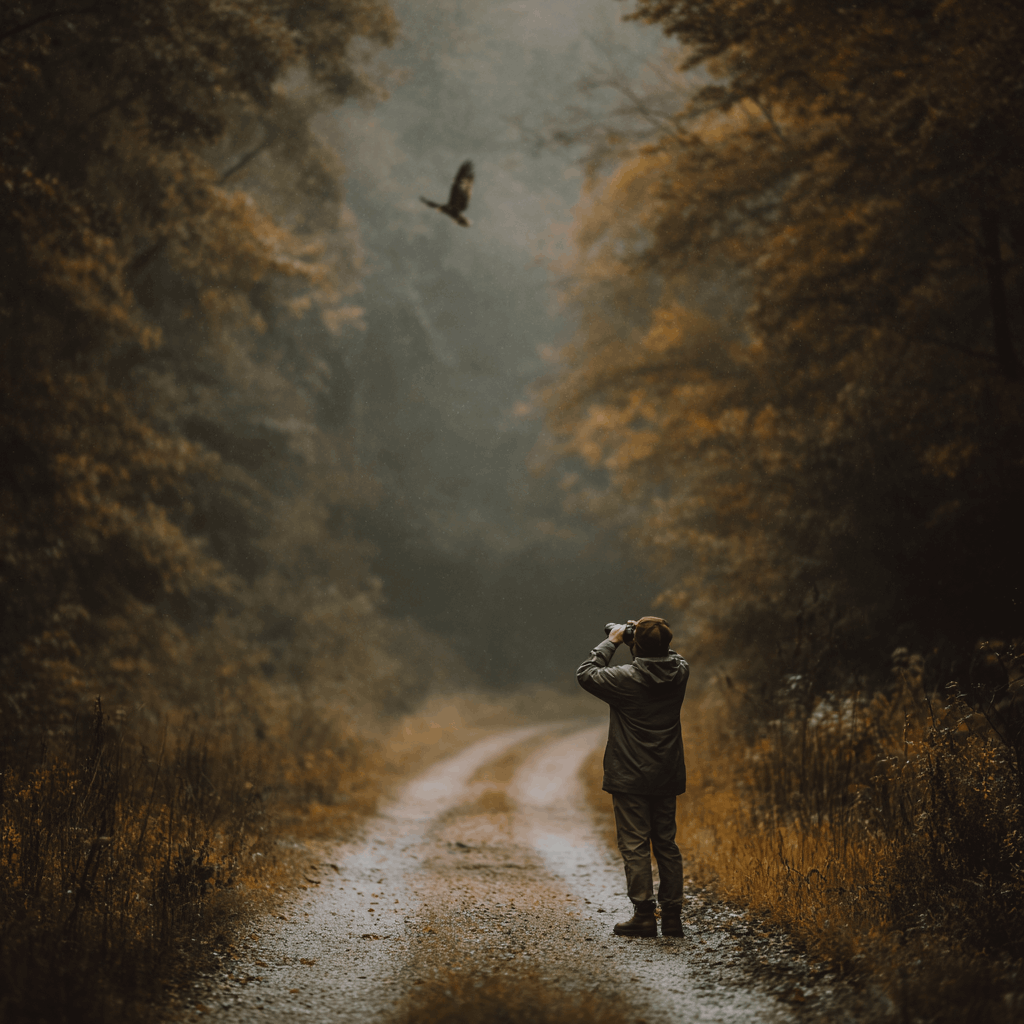
Binoculars change everything. Get a decent pair, something like 8x42 or 10x42, they're bright, not too heavy, and give you that up-close view without moving closer. Scan slowly, don't swing them around wildly, birds notice movement. Pair them with a spotting scope on a tripod for really far-off birds, like eagles or waders on mudflats. The goal is to bring the bird to you, not you to the bird.
Hides (or blinds) are awesome for getting really intimate views ethically. Portable pop-up hides are great, set them up before dawn in a spot you scouted the day before, then crawl in quietly. Stay inside, no poking out unless the bird is gone. Some reserves have permanent hides at wetlands or forests, those are gold. Just remember to arrive early, leave late, and don't use them if they're already occupied.
Seasonal behaviors matter a lot. In spring and early summer (say March to July in the northern hemisphere), birds are nesting, super protective. Avoid getting anywhere near active nests, even if you spot one. Signs of nesting: birds carrying food, carrying nesting material, alarm calls, dive-bombing you. If you see that, turn around immediately. Breeding season is when disturbance can cause abandonment or failure, so stick to trails, watch from afar. Autumn migration is easier, birds are focused on fuel and less territorial. Winter can be good too, many species gather at feeding spots, but they're conserving energy, so still keep distance.
How to avoid nesting areas? Research before you go. Check local birding reports, eBird hotspots, or park info for known breeding sites. Some places close trails during nesting season, respect that. If you're out and spot a nest or fledglings, don't share exact locations online, it can attract crowds or worse, poachers. Just enjoy the moment and move on.
Other quick tips for responsible viewing: Walk slowly, talk softly or not at all. Wear neutral colors, nothing bright or shiny. Leave no trace, take your rubbish, stay on paths to avoid trampling habitat. If using playback (bird calls to attract), use sparingly, only when needed, and never during breeding. Groups should be small, 4-6 max, to keep noise down.
Ethical birdwatching is about patience and respect. You get better sightings when birds aren't stressed, and you help keep populations healthy. It's rewarding to watch a kingfisher dive or a warbler flit through branches knowing you didn't ruin its day. Grab those binos, pick a quiet spot, and let the birds come to you. It's slower, but way more satisfying. Happy watching!