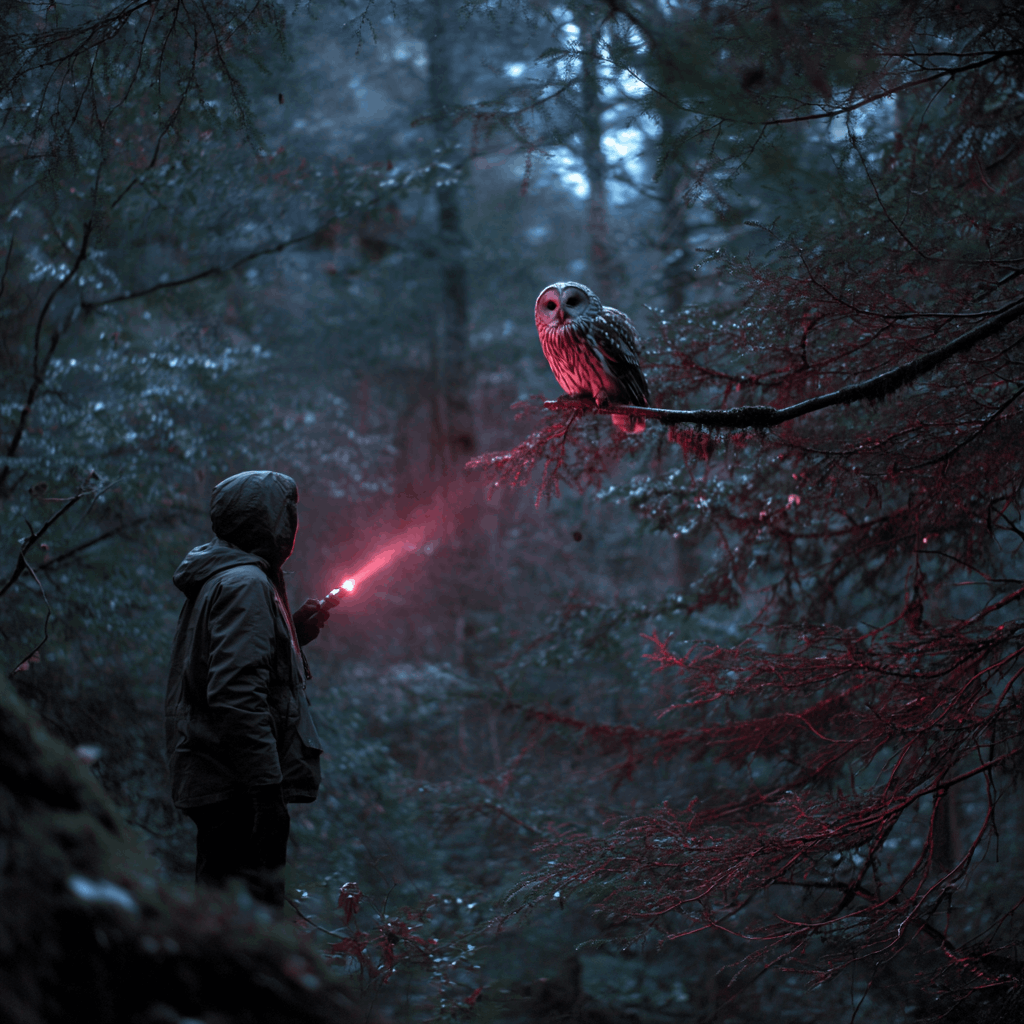
Red-light torches are the go-to for almost every guide worth their salt. White light (especially bright LEDs) destroys night vision for animals and humans, and it can make nocturnal creatures freeze, hide, or bolt. Red light doesn't mess with their eyes as much because most mammals and birds have low sensitivity to red wavelengths. Use a headlamp or flashlight with a red filter, or buy one that switches to red mode. Keep it low power too, just enough to see the trail or spot an animal, not blast the whole area. Some guides use infrared if they have night vision scopes, but red is the standard for most tours.
Timing your observations to natural activity peaks makes a huge difference. Nocturnal animals aren't out all night, they have rhythms. Right after sunset, around dusk, is when many start moving, like owls hunting or big cats beginning their prowl. Then there's a quieter middle-of-the-night lull, and another burst before dawn when they're wrapping up feeding before hiding again. The best windows are usually the first 2-3 hours after dark and the last hour before sunrise. Ask your guide about the local patterns, it varies by place and season, but aligning with those peaks means more action and less waiting in silence.
Other tips for responsible night viewing: Keep the group small, 6-10 people max, less noise and movement. Walk quietly, no stomping, talk in whispers if at all. Point lights down at the ground, never shine directly into eyes, even red ones. If you spot something, approach slowly, let the animal decide if it wants to stay. If it starts moving away fast or gives alarm calls, back off. No calling or imitating sounds to lure them, that stresses them and disrupts natural behavior.
Gear-wise, besides the red light, bring a good pair of binoculars (they work fine in low light), warm layers because nights cool fast, and insect repellent (quiet application, no slapping). If you're driving, spotlights should be used sparingly and only when the guide says, swept slowly across the landscape, not fixed on one spot.
Doing it this way, you might catch an owl silently gliding, a bushbaby leaping between branches, or a leopard stalking through the shadows, all while they're behaving naturally. It's way more satisfying than blasting white light and scaring everything off. Night tours are special, treat the darkness with respect, use red light, time it right, stay quiet, and you'll get those quiet, magical moments that stick with you. If you're signing up for one, ask the operator about their light policy upfront, the good ones prioritize the animals first. Enjoy the night!