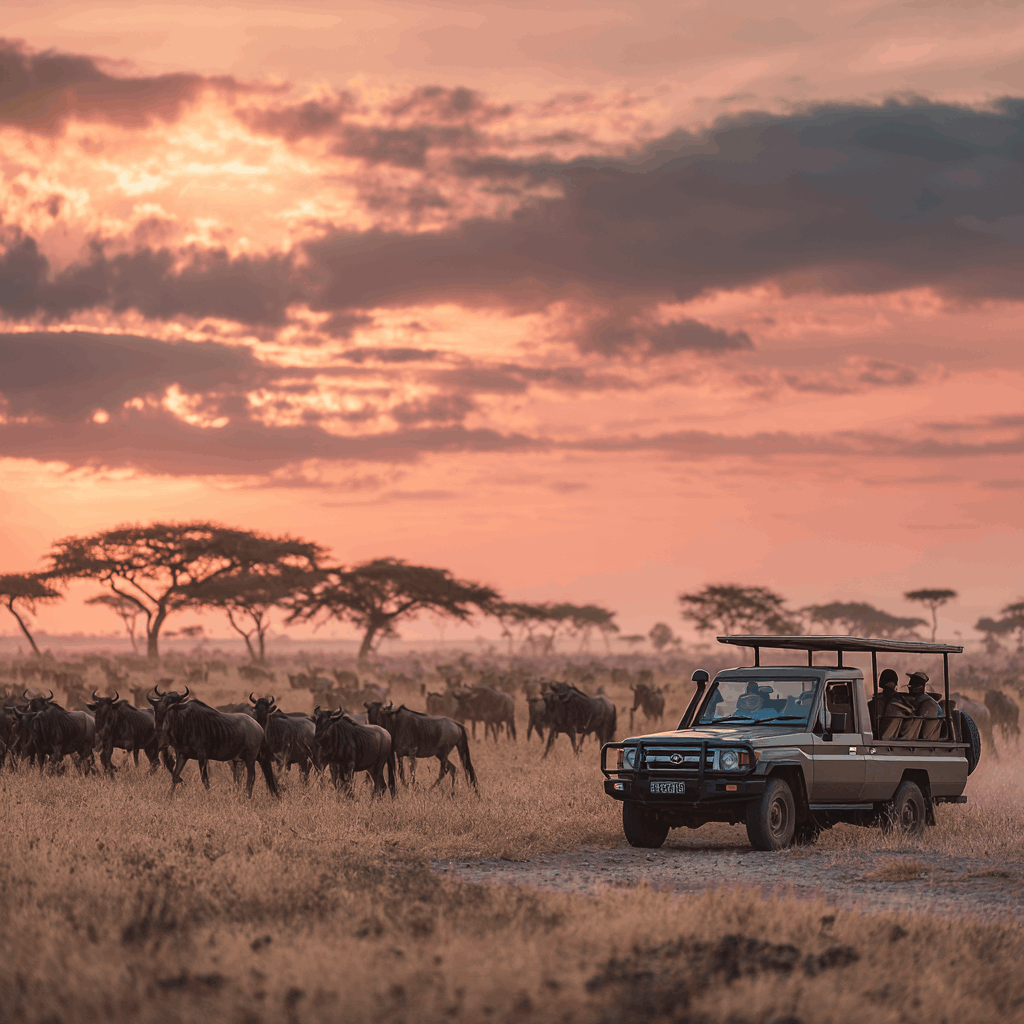
First off, timing is everything here. The migration isn't stuck to a strict calendar, it kinda follows the weather patterns, but generally, you can plan around seasons. From December to March, head south to the Ndutu area for the calving season, thousands of baby wildebeest dropping in just weeks, which draws in lions and hyenas for some intense scenes. It's green and lush then, but can be rainy, so pack accordingly. April and May sees the herds pushing north through central Serengeti, grasses drying up, so they're on the move, good for seeing long columns stretching out. Come June, things heat up in the western corridor with crossings at the Grumeti River, crocodiles waiting in the water, it's thrilling but not as crowded as later months.
July and August? That's peak time for the famous Mara River crossings in the northern Serengeti. Herds plunge into the river, dodging crocs and strong currents, and it's when most folks visit for those postcard moments. But hey, it gets busy, so book early if you're aiming for 2026. September to October, the action lingers north before they start drifting south again, fewer crowds, and you might catch some late crossings. November brings them back central, with short rains greening things up. Pro tip, dry season from June to October makes roads easier and animals cluster around waterholes, easier spotting. If you hate crowds though, shoulder months like early June or late October are golden, less people, same wildlife magic.
Now, for the best viewing spots, Serengeti is huge, over 14,000 square kilometers, so knowing where to focus saves time. Southern Serengeti around Ndutu Plains is prime for calving, flat open areas mean you can see herds from afar, and it's got those acacia trees framing the views. Central parts, like Seronera Valley, are year-round good but especially in April-May for the northward push, rivers and kopjes (those rocky outcrops) make great vantage points for watching predators stalk. Western Corridor, think Grumeti area, for those early river dramas in June, wooded savanna adds variety. Up north, near the Mara River, that's where the big spectacles happen July-August, spots like Kogatende offer overlooks for crossings without getting too close.
Vehicle-based tours are the way to go for safe up-close encounters. You're in open-top jeeps or land cruisers, guided by locals who know the bush like their backyard. They drive you right into the thick of it, but rules are strict: stay inside the vehicle at all times, no yelling or sudden moves that could spook the animals. It's about respect, you know? These tours often include pop-up roofs for better views, and some have radios to share sightings, like if a lion pride is on a hunt nearby. For herds, you'll park near migration routes, watching thousands thunder by, dust clouds and all. Predators? Guides spot them from tracks or vultures circling, then position the vehicle downwind so you get those intimate glimpses without disturbing. Night drives aren't common in Serengeti core, but some edges allow it for nocturnal action.
Safety tips for observing: Always listen to your guide, they're experts on animal behavior. Keep distance, even from the vehicle, no leaning out for selfies with elephants. Use binoculars for that up-close feel without actual closeness. Pack neutral clothes to blend in, and sunscreen, bugspray, cause it's hot and buggy sometimes. Hydrate lots, tours can be long days. And ethically, support tours that follow no-trace principles, like not off-roading to chase animals, keeps the ecosystem healthy for future trips.
Wrapping up, tracking the Great Migration in Serengeti is unforgettable, mixes raw nature with adventure. Whether you're after the birth explosions in south or the river chaos up north, plan with seasons in mind, choose vehicle safaris for safety, and you'll come back with stories that'll wow everyone. Just remember, nature's unpredictable, so flexibility is key. Ready to book? Start scouting those dates now!